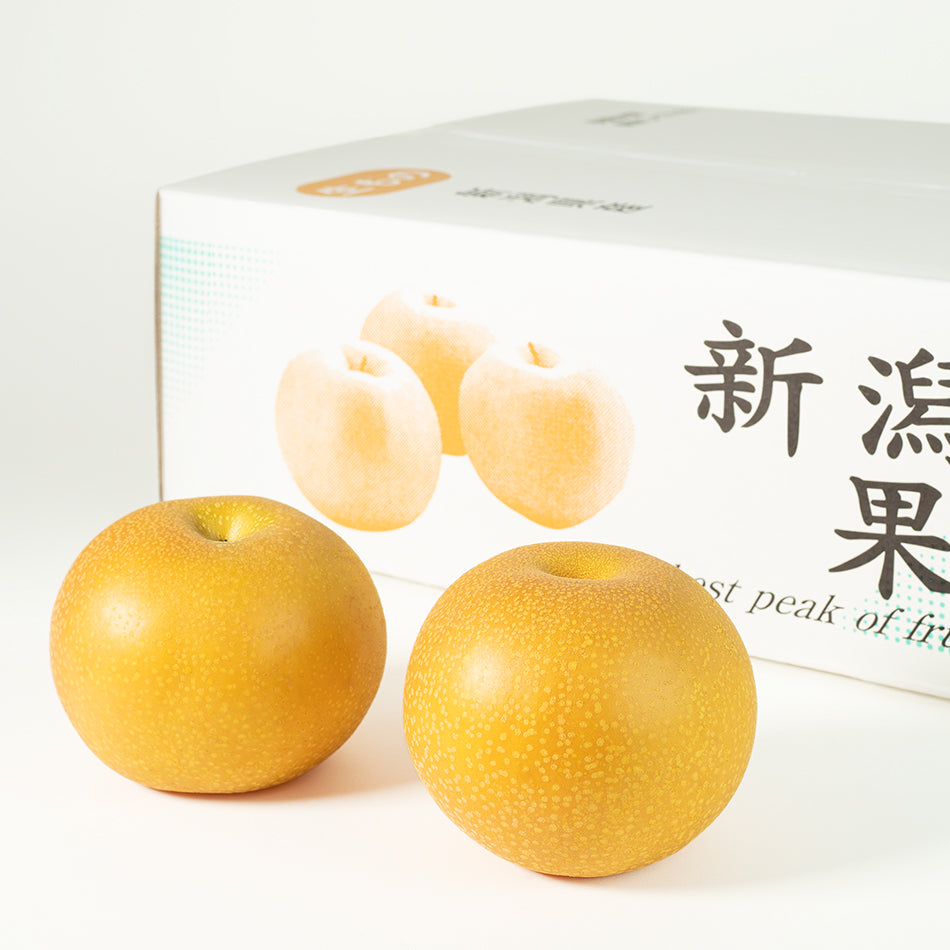
Japanese persimmons come in two main types: astringent (shibugaki) and non-astringent (amagaki). Understanding the difference is crucial for enjoying these delicious fruits at their best.
Fuyu persimmons are the most popular non-astringent variety. They can be eaten while still firm, like an apple, and have a sweet, mild flavor. The flat, squat shape makes them easy to identify. They're perfect for eating fresh, slicing into salads, or even grilling.
Hachiya persimmons are astringent and must be completely soft before eating - attempting to eat an unripe Hachiya will result in an intensely unpleasant, mouth-puckering experience. When fully ripe, however, they have a rich, complex sweetness that many consider superior to Fuyu.
To ripen Hachiya persimmons, leave them at room temperature until the skin becomes translucent and the fruit feels like a water balloon. This can take 1-3 weeks. You can speed up the process by placing them in a paper bag with a banana.
Japanese persimmons are rich in vitamins A and C, dietary fiber, and antioxidants. In Japan, they're often enjoyed dried (hoshigaki), which concentrates their sweetness and creates a chewy, candy-like texture.